
In dieser Folge geht es um zentrale Themen der Umweltpsychologie und ihre Relevanz für die Fotografie. Im ersten Teil schauen wir uns an, wie natürliche und urbane Umgebungen unsere Wahrnehmung, unser Wohlbefinden und unsere kognitiven Prozesse beeinflussen. Im zweiten Teil werden diese Erkenntnisse dann auf die Fotografie angewendet. Als Fachexperte in der Folge gibt der Umweltpsychologe Prof. Dr. Gerhard Reese wertvolle Statements, die das Thema vertiefen.
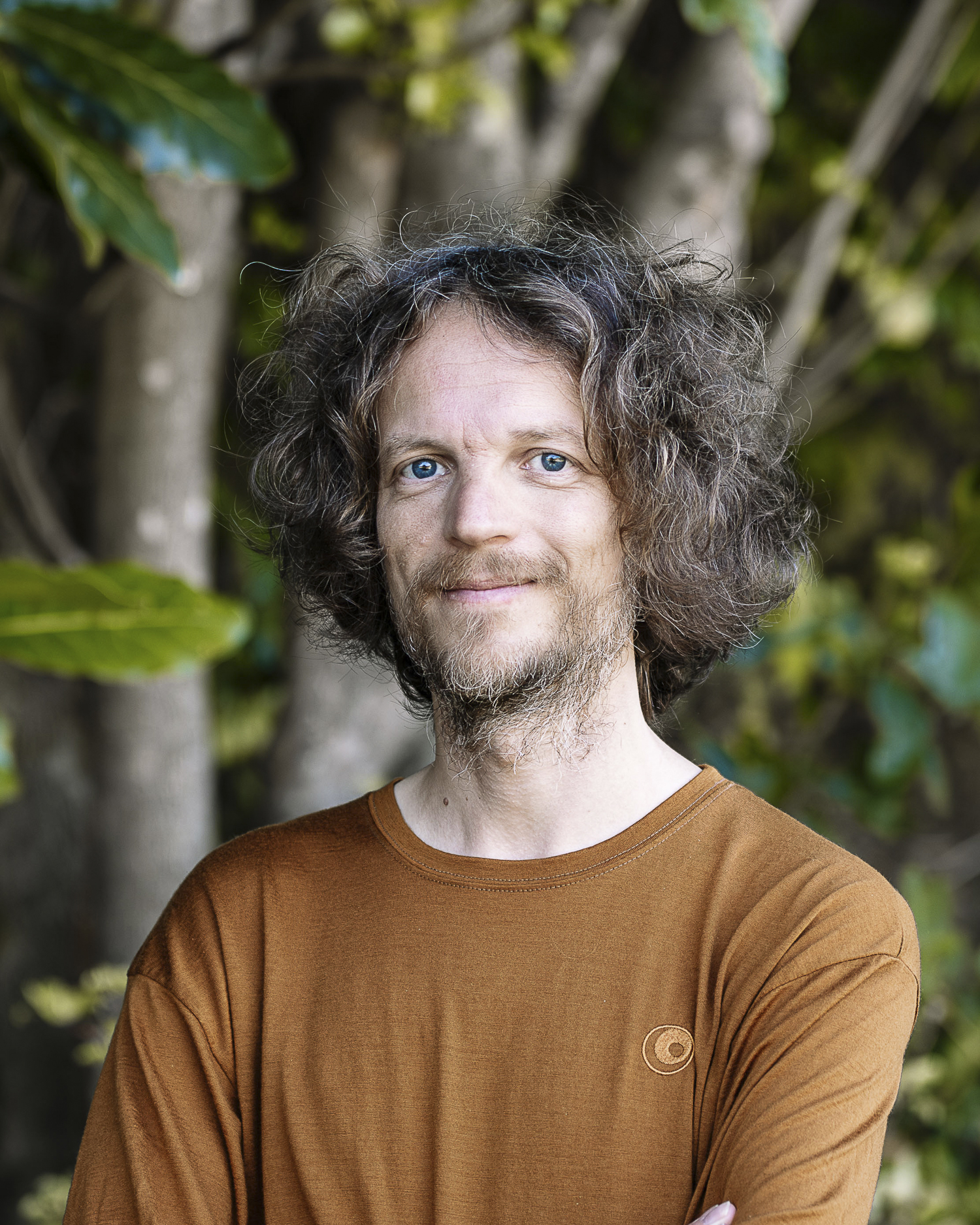
Prof. Dr. Gerhard Reese, Umweltpsychologe und Professor für Klimawandel an der Victoria University in Wellington, Neuseeland.
Foto: © Gerhard Reese
Literatur:
- Kaplan, R. (1989). The experience of nature: A psychological perspective. Cambridge University Press.
- Ulrich, R. S., Simons, R. F., Losito, B. D., Fiorito, E., Miles, M. A., & Zelson, M. (1991). Stress recovery during exposure to natural and urban environments. Journal of environmental psychology, 11(3), 201-230.
- Berman, M. G., Jonides, J., & Kaplan, S. (2008). The cognitive benefits of interacting with nature. Psychological science, 19(12), 1207-1212.
- Wilson, E. O. (1986). Biophilia. Harvard university press.
- Frumkin, H., Bratman, G. N., Breslow, S. J., Cochran, B., Kahn Jr, P. H., Lawler, J. J. & Wood, S. A. (2017). Nature contact and human health: A research agenda. Environmental health perspectives, 125(7), 075001.
- Evans, G. W. (2003). The built environment and mental health. Journal of urban health, 80, 536-555.
- Lederbogen, F., Kirsch, P., Haddad, L., Streit, F., Tost, H., Schuch, P. & Meyer-Lindenberg, A. (2011). City living and urban upbringing affect neural social stress processing in humans. Nature, 474(7352), 498-501.